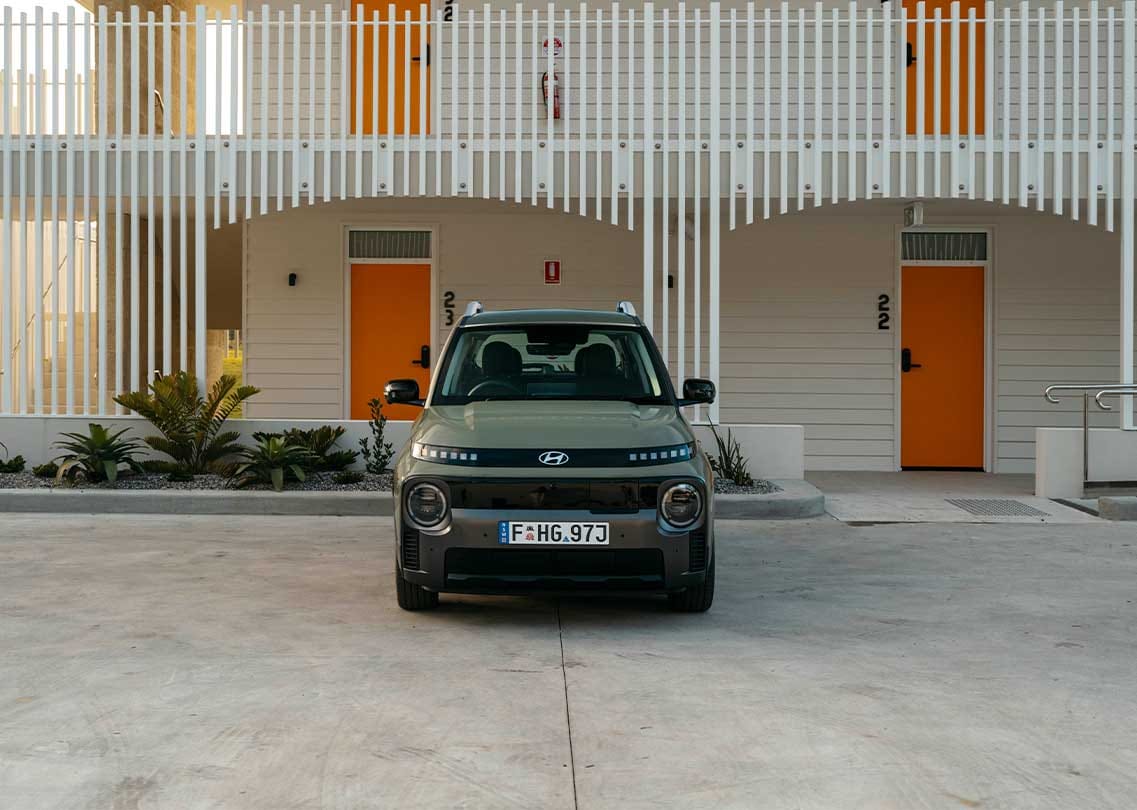
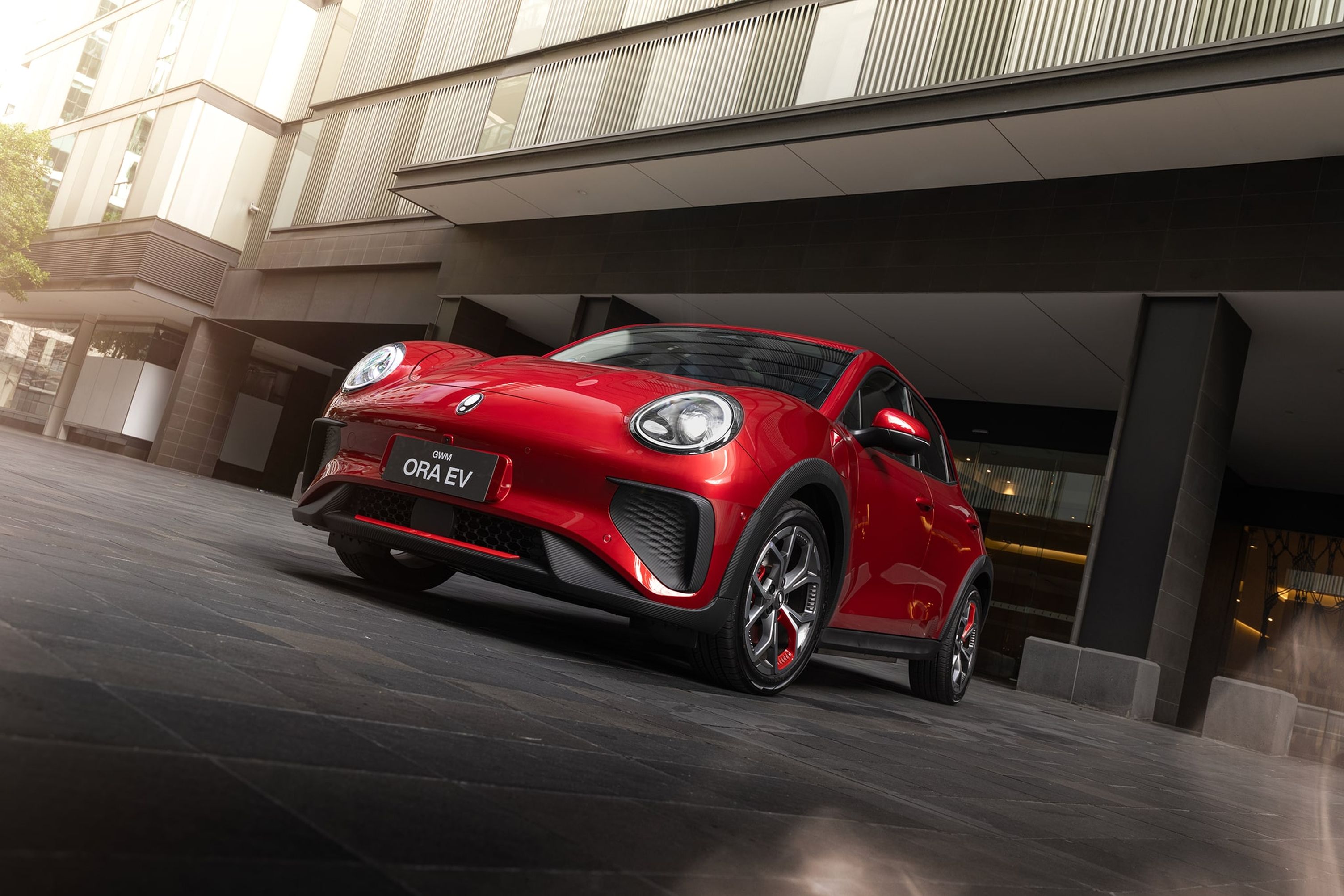
Choose the BYD Atto 1 for maximum value, the Hyundai Inster for clever city packaging and established support, or the GWM Ora if five seats and more hatchback range matter—and you can find the right stock.
At a glance
| Specification | BYD Atto 1 Premium | Hyundai Inster Extended | GWM Ora hatch |
|---|---|---|---|
| Indicative price | $27,990 | $42,500 before on-roads | $35,990–$38,990; confirm stock |
| Claimed range | 310 km WLTP | 360 km WLTP | 380–400 km |
| Battery | 43.2 kWh | 49 kWh | About 58 kWh |
| Power | 115 kW | 84.5 kW | 126 kW |
| 0–100 km/h | 9.1 sec | 10.6 sec | 8.4 sec |
| DC 10–80% | About 30 min | About 30 min | About 48 min |
| Seats | 4 | 4 | 5 |
| Boot | 308 L | 238–351 L, layout dependent | 228 L |
Figures refer to the named grades or latest relevant Australian specifications available to EV Matchup. Real-world range and charging time vary with conditions.
BYD Atto 1: best for value
The Atto 1 Premium is the clear price disruptor. It delivers more power and range than the Essential grade while remaining comfortably below $30,000 before on-road costs. Its 310 km WLTP claim is enough for urban commuting and regular suburban use, and the official 11 kW AC limit is unusually useful at this price if your home supply and wallbox support it.
The compromise is easy to understand: four seats. The 308-litre boot is respectable for a small city EV, but this is not the ideal one-car solution for a five-person household.
Hyundai Inster: best for clever packaging
The Inster is also a four-seater, but its flexible cabin and sliding-seat layout make it feel more adaptable. In Extended form it claims 360 km WLTP range, while Hyundai quotes about 30 minutes for a 10–80% charge on a suitable 150 kW DC charger. Vehicle-to-load adds practical value for camping or powering equipment.
Its challenge is price. The Inster costs considerably more than the Atto 1, so buyers should value the packaging, design and Hyundai ownership network rather than comparing range-per-dollar alone.
GWM Ora: best if you need five seats
The original Ora brings the most conventional small-hatch layout here, including five seats, stronger power and a longer claimed range. Its smaller boot and slower quoted DC charge are less impressive. More importantly, availability now drives the buying decision: a sharp run-out deal could be attractive, but a scarce car with unclear stock support should be priced accordingly.
You want the lowest entry price and four seats are enough.
You value a flexible city cabin, V2L and established dealer support.
You need five seats and find suitable remaining stock at a convincing price.
Sources and methodology
EV Matchup prioritises Australian manufacturer pages and government resources. Editorial recommendations are our own.